
How much of a control freak are you with your dog?
As the dog trainer associated with a doggy day care facility, the staff sometimes asks Hope to consult with a dog owner that has some issues in the play group.
Not long ago, she talked to the owner of a dog that was, putting it mildly, inappropriate with other dogs and staffers at day care. While the play supervisors had repeatedly mentioned the problems to the owner, the dog’s person dismissed their concerns.
Not a fun phone consult
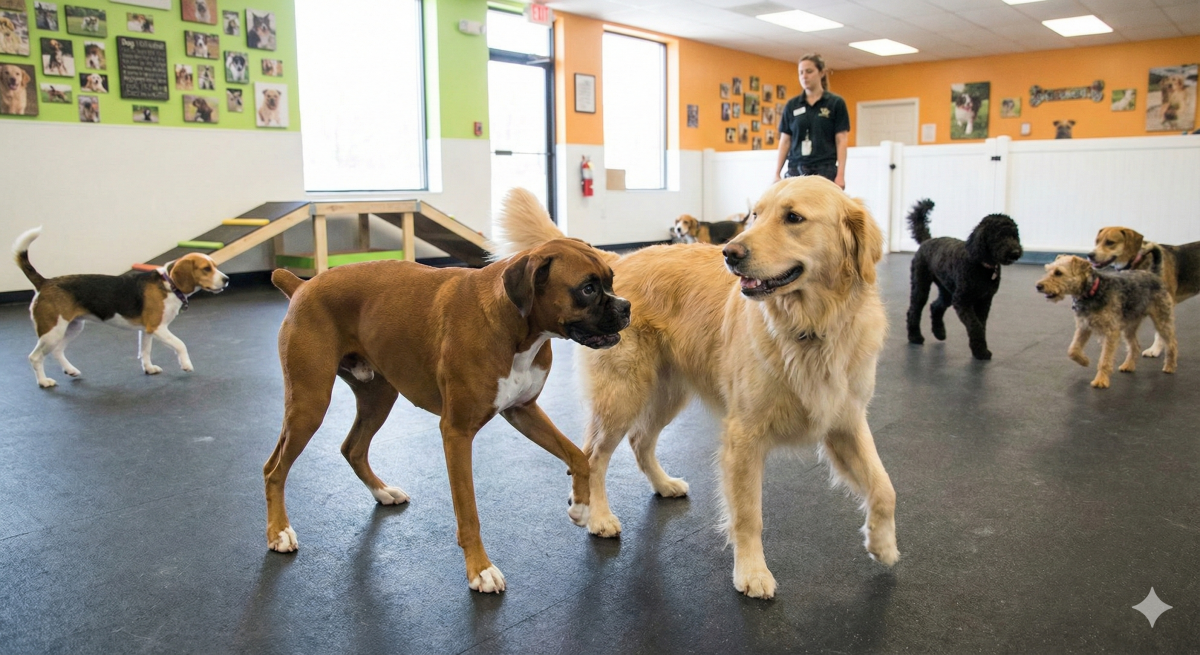
The dog repeatedly charged at and nipped other dogs, even staff, trying to get somebody to play with her. They weren’t casual invitations, and the dog wouldn’t take “No!” for an answer. The dog clearly had no idea of manners.
When Hope finally was able to speak with the owner, his answer was “She always does what I tell her.”
And that, right there, is the problem. If you always tell your dog what to do, what happens when you’re not there?
Banned from daycare
This particular owner clearly had no interest in training his dog to learn impulse control or manners. He thought it was adequate “training” that she obeys him. It didn’t concern him that the rest of his family couldn’t get the dog to obey. It didn’t bother him that the dog has no manners in day care and doesn’t listen to the staff. The dog was banned from play groups.
The kind of blind obedience this man requires from his dog may suit him. Decades ago it may even have been the norm to be a dog control freak. Now, it’s not good enough.
Giving up control
Letting your dog exercise some autonomy makes life easier. Teaching them to make good decisions, giving them credit for controlling their impulses, frees you to enjoy your time together. It’s stressful to always be the one making every choice for everybody.
There’s no helping the control-freak man. We tried, and were unable to convince him of the benefits both he and his dog would experience. His repeated response was “She does what I tell her.”
We agree that it’s easier to just tell your dog what to do. A friend of ours had major difficulty guiding her dog into making good decisions, rather than telling her all the time. This particular dog has major confidence issues. Both dog and person felt safer with the owner giving orders all the time. But that wasn’t helping the dog’s timidity.
Confidence boost
It’s scary ceding control to another being. But, with children and dogs, letting them make good decisions boosts their confidence. When your dog knows what’s expected of them, even when faced with unfamiliar situations, they’re more likely to demonstrate good judgment.
It’s hard giving up control and allowing the possibility of mistakes. It helps the dog’s confidence when errors are overlooked rather than punished. They try, and try again, mostly because it’s fun to finally get it right.
We couldn’t help the day care dog. Our friend, on the other hand, won High In Trial in Obedience with her dog last weekend. Patience pays.